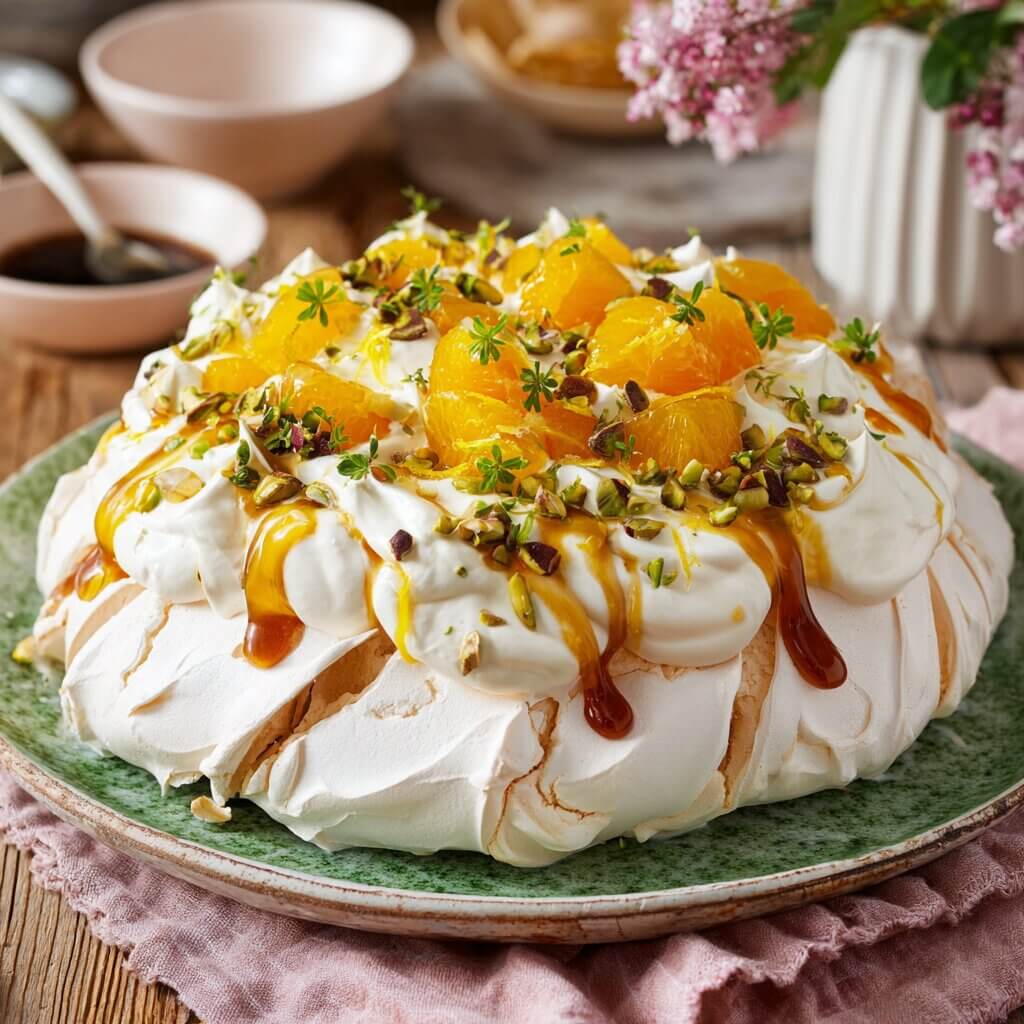
The Mary Berry Easter Pavlova Recipe is a delightful way to celebrate the holiday with a light and airy dessert. The result is a crisp meringue shell with a marshmallowy center, topped with fresh cream and vibrant fruits. Using the right technique, such as slowly incorporating sugar and baking at a low temperature, ensures the meringue is stable and perfectly textured.
This pavlova is perfect for Easter gatherings, offering a lovely balance of sweetness and freshness with its fruit topping. The key to a successful pavlova is the slow baking process, which dries out the exterior while keeping the inside soft and chewy. Mary Berry’s version stands out with its simplicity and elegance, making it a crowd-pleaser for any occasion.
Ingredients
For the Meringue
- 4 large egg whites
- 250g caster sugar
- 1 tsp white wine vinegar
- 1 tsp cornflour
- 1 tsp vanilla extract
For the Topping
- 300ml double cream
- 1 tbsp icing sugar
- 1 tsp vanilla extract
- 200g mixed berries (e.g., strawberries, raspberries, blueberries)
- 50g passion fruit pulp (optional)
How to Make Mary Berry Easter Pavlova Recipe
Preheat and Prepare
Preheat your oven to 150°C (130°C fan) and line a baking sheet with parchment paper. Draw a 20cm circle on the parchment as a guide for your pavlova.
Whisk the Egg Whites
In a clean, dry bowl, whisk the egg whites until they form soft peaks. This ensures the meringue will be light and airy.
Add Sugar Gradually
Gradually add the caster sugar, one tablespoon at a time, whisking well between each addition until the meringue is stiff and glossy. This slow addition helps dissolve the sugar completely, preventing a grainy texture.
Incorporate Cornflour and Vinegar
Gently fold in the cornflour, white wine vinegar, and vanilla extract. These ingredients stabilize the meringue, ensuring it holds its shape and has a chewy interior.
Shape the Meringue
Spoon the meringue onto the prepared baking sheet, using the circle as a guide. Create a slight dip in the center to hold the toppings later.
Bake the Meringue
Reduce the oven temperature to 120°C (100°C fan) and bake for 1 hour. The meringue should be crisp on the outside and slightly marshmallowy inside. Overbaking will make it too dry.
Cool the Meringue
Turn off the oven and leave the meringue inside to cool completely. This gradual cooling process prevents cracks from forming.
Prepare the Cream
Whip the double cream with the icing sugar and vanilla extract until soft peaks form. This adds a rich, creamy contrast to the crisp meringue.
Assemble the Pavlova
Once the meringue is cool, spread the whipped cream over the top and arrange the mixed berries and passion fruit pulp (if using) on top.
Serve and Enjoy
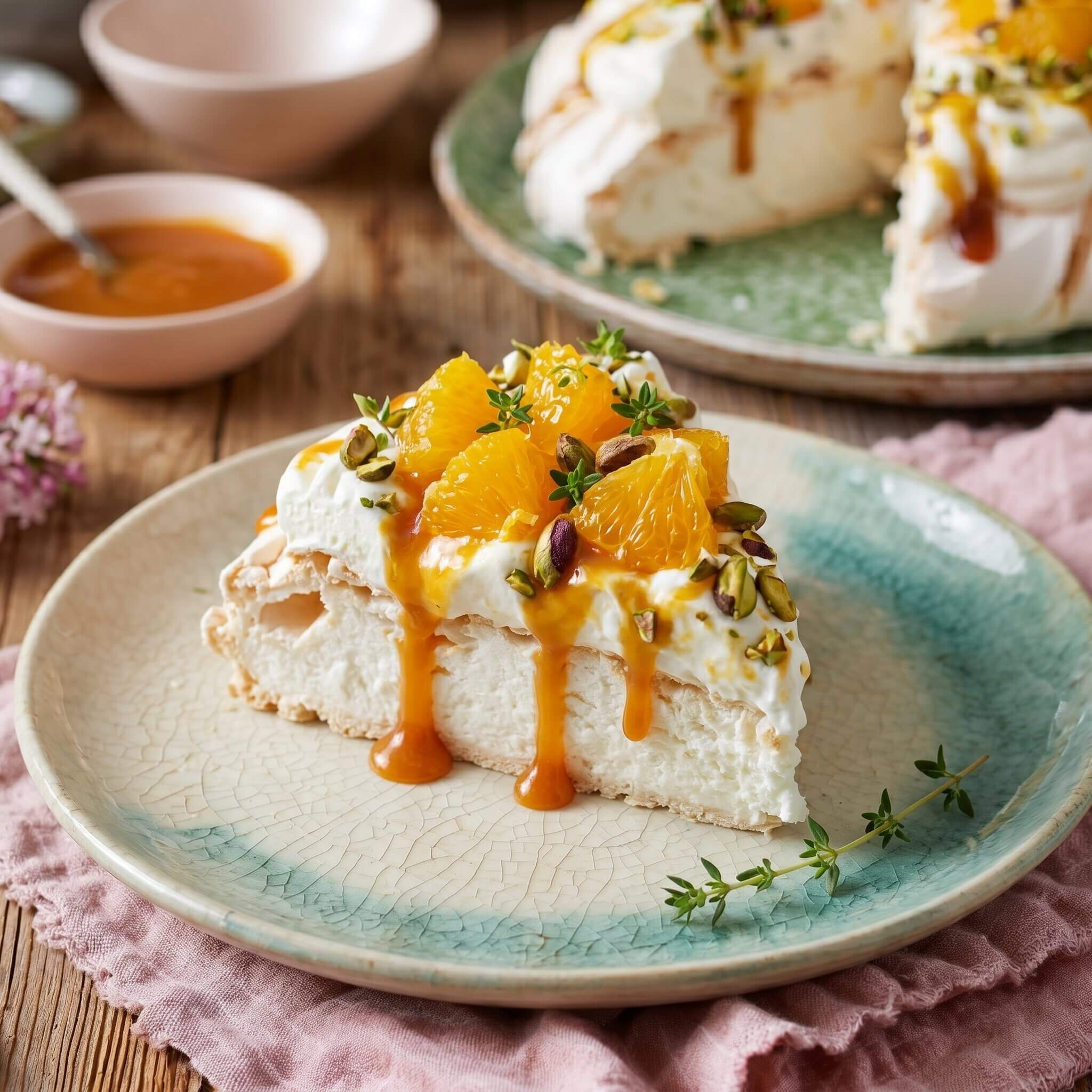
Your Mary Berry Easter Pavlova is ready to serve. It should be crisp on the outside, soft and chewy inside, with a luscious cream topping and fresh, vibrant fruit. Enjoy the contrast of textures and flavors.
Recipe Tips
- Ensure the mixing bowl and whisk are completely clean and dry — any grease will prevent the egg whites from whipping properly.
- Add sugar slowly — this helps it dissolve completely, resulting in a smooth meringue.
- Use cornflour and vinegar — they stabilize the meringue, helping it hold its shape and achieve the perfect texture.
- Avoid opening the oven door while baking — sudden temperature changes can cause the meringue to collapse.
- Cool the meringue in the oven — this gradual cooling prevents cracks from forming on the surface.
- Use fresh, room temperature eggs — they whip up better than cold eggs, giving you more volume.
- Top with fruit just before serving — this prevents the meringue from becoming soggy.
Healthy Alternatives / Variations
- Add a layer of lemon curd between the meringue and cream for a tangy twist.
- Use tropical fruits like mango and kiwi for a different flavor profile.
- Drizzle with melted chocolate for a richer dessert.
- Add a sprinkle of toasted coconut for extra texture.
- Use a mix of seasonal berries for a fresh, vibrant topping.
Ingredient Substitutions
- Use granulated sugar instead of caster sugar if needed, but ensure it’s fully dissolved.
- Replace white wine vinegar with apple cider vinegar if unavailable.
- Use whipping cream instead of double cream if preferred.
- Substitute passion fruit pulp with a fruit syrup or compote.
How to Serve
Serve the pavlova immediately after assembling to enjoy the contrast between the crisp meringue and soft cream. It’s a perfect centerpiece for an Easter table or any special occasion.
Pairing Ideas
Pair this pavlova with a light dessert wine or a refreshing glass of sparkling water. A cup of tea or coffee also complements the sweetness and richness of the dessert beautifully.
How to Store Leftovers
Fridge
Store any leftover pavlova in the fridge, covered, for up to 2 days to keep the cream fresh.
Freezer
Freezing is not recommended as the meringue will lose its texture and become chewy.
Reheating
Not recommended — pavlova is best enjoyed fresh.
Nutrition (per serving, approx.)
- Calories: 320 kcal
- Carbohydrates: 40g
- Protein: 4g
- Fat: 18g
FAQs
Can I make the meringue in advance?
Yes, you can make the meringue a day ahead and store it in an airtight container. Assemble with cream and fruit just before serving.
Why did my meringue crack?
Cracks can occur if the meringue cools too quickly. Allow it to cool gradually in the oven to prevent this.
Can I use frozen berries?
Fresh berries are best for texture and flavor, but you can use thawed frozen berries in a pinch. Make sure to drain excess liquid.
What if my meringue is weeping?
Weeping can happen if sugar isn’t fully dissolved. Ensure sugar is added gradually and fully incorporated during mixing.
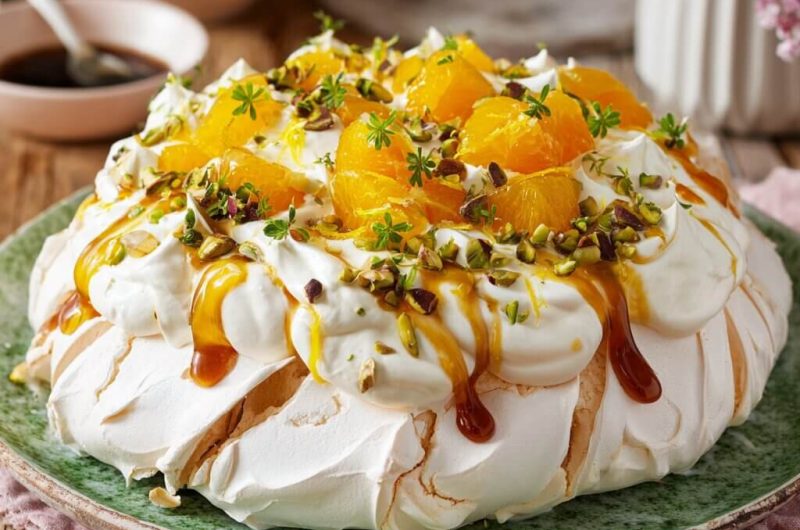
Mary Berry Easter Pavlova Recipe
Course: DessertCuisine: BritishDifficulty: Intermediate4
servings30
minutes40
minutes300
kcal1
hour10
minutesMary Berry Easter Pavlova Recipe features a crisp meringue topped with cream and fresh fruit, perfect for Easter celebrations.
Ingredients
4 large egg whites
250g caster sugar
1 tsp white wine vinegar
1 tsp cornflour
1 tsp vanilla extract
300ml double cream
1 tbsp icing sugar
1 tsp vanilla extract
200g mixed berries (e.g., strawberries, raspberries, blueberries)
50g passion fruit pulp (optional)
Directions
- Preheat the oven to 150°C (130°C fan) and line a baking sheet with parchment paper.
- Whisk egg whites until soft peaks form.
- Gradually add caster sugar, whisking until stiff and glossy.
- Fold in cornflour, vinegar, and vanilla extract.
- Spoon meringue onto parchment, forming a 20cm circle with a dip in the center.
- Bake at 120°C (100°C fan) for 1 hour until crisp outside and marshmallowy inside.
- Cool meringue in the oven to prevent cracks.
- Whip double cream with icing sugar and vanilla until soft peaks form.
- Spread whipped cream over meringue and top with berries and passion fruit.
- Serve the pavlova, enjoying its crisp exterior and soft, chewy interior.
Notes
- Ensure the mixing bowl and whisk are completely clean and dry — any grease will prevent the egg whites from whipping properly.
- Add sugar slowly — this helps it dissolve completely, resulting in a smooth meringue.
- Use cornflour and vinegar — they stabilize the meringue, helping it hold its shape and achieve the perfect texture.
- Avoid opening the oven door while baking — sudden temperature changes can cause the meringue to collapse.
- Cool the meringue in the oven — this gradual cooling prevents cracks from forming on the surface.
- Use fresh, room temperature eggs — they whip up better than cold eggs, giving you more volume.
- Top with fruit just before serving — this prevents the meringue from becoming soggy.